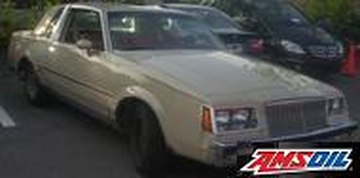
Maintaining Lubrication Standards for your 1981 Buick REGAL 4.4L
Proper engine maintenance is a cornerstone of long-term vehicle health, particularly when managing an engine from the early 1980s. For the 1981 Buick REGAL equipped with the 4.4L engine, consistent attention to lubrication and routine inspections can help ensure the mechanical components continue to operate as intended. While modern vehicles often feature automated monitoring systems, older engines require a more hands-on approach from the owner to monitor fluid integrity and component condition.Monitoring Fluid Integrity and Potential Leaks
One of the most effective ways to oversee the health of your engine is through regular visual inspections for fluid seepage. Over time, various gaskets and seals may experience changes in their ability to maintain a tight seal due to heat cycles and age. When performing routine checks, it is useful to look for any signs of oil residue around the engine block or at connection points. If you notice fresh fluid accumulating on the underside of the vehicle or staining the engine surfaces, this warrants further investigation. It is important to remember that a small amount of seepage does not always indicate an immediate failure, but tracking these observations allows you to distinguish between a minor, stable condition and a developing issue that may require professional attention. Additionally, checking the level of the lubricant using the dipstick at regular intervals helps confirm that no significant volume is being lost between service appointments.Observing Changes in Engine Operation
Beyond visual inspections, paying close attention to how the engine behaves during operation can provide valuable clues regarding its lubrication status. Any sudden changes in how the vehicle runs should be noted and investigated. For example, if you notice unusual mechanical noises that were not previously present, this could be associated with various internal or external factors related to lubrication or component wear. Changes in exhaust characteristics are also worth monitoring. While certain observations can be caused by many different factors, any noticeable shift in the color or consistency of exhaust smoke may indicate that something is entering the combustion process. Similarly, if you observe signs of overheating through temperature gauges or steam, this should be addressed immediately, as heat management and proper lubrication are closely linked to overall engine stability. Always approach these symptoms with the understanding that they can have multiple underlying causes, making a thorough inspection necessary to find the actual source.Prioritizing Maintenance Based on Current Condition
For an owner of a 1981 Buick REGAL, effective maintenance is often about prioritizing tasks based on the actual state of the vehicle rather than following a generic timeline. If you have recently acquired the vehicle and do not have access to a complete service history, establishing a baseline is a practical first step. This involves performing a comprehensive inspection of all fluids, filters, and accessible engine components to determine their current condition. Once a baseline is established, maintenance efforts can be directed toward the most pressing needs. For instance:- Address any active leaks or visible seepage identified during inspections.
- Monitor fluid consumption rates to see if they are increasing over time.
- Inspect age-sensitive components, such as accessible belts (if equipped) and hoses, for signs of cracking, glazing, or deterioration.
- Review any available maintenance records to identify when major service items were last addressed.
Managing Aging Engine Components
As vehicles age, certain materials naturally undergo changes. When maintaining a 1981 model, it is helpful to look at components through the lens of their current physical state. For example, rubber-based items like hoses or belts (if equipped) may become less flexible over many years. Inspecting these for signs of brittleness or surface cracking can help prevent unexpected failures. Electrical connections and wiring should also be checked periodically for signs of corrosion or fraying, which can impact the reliability of various engine systems. Furthermore, ensuring that the air filtration system is clean and free of debris is a simple but effective way to support the engine's operational efficiency. Rather than assuming parts must be replaced simply because of the vehicle's age, use visual evidence and physical condition to guide your maintenance decisions.The Role of Consistent Lubrication Service
Maintaining the correct lubrication standard is essential for reducing friction and managing the thermal environment within the engine. Even in older engines, the lubricant performs several vital roles, including helping to manage heat and preventing the buildup of deposits that can interfere with mechanical movement. Regularly changing the oil and replacing the filter ensures that the lubricant remains effective at its job. Over time, used oil can become contaminated by various combustion byproducts or thermal breakdown, which reduces its ability to protect engine surfaces. By adhering to a consistent service routine, you help ensure that the internal components remain adequately protected against the stresses of daily operation.Practical Advice for Buying Engine Oil for your 1981 Buick REGAL 4.4L
When it is time to replenish your engine's lubricant, it is vital to select a product that matches the specific requirements of your application. To ensure you are using the correct fluid, match the engine oil to the application-specific viscosity information already displayed on this page. When shopping for products, consider the following practical steps:- Verify the Label: Always check the product packaging to confirm that the SAE viscosity matches the information provided in your vehicle's documentation.
- Consider Formulations: Depending on your engine's current condition and mileage, you may encounter various options such as conventional oil, synthetic blends, or full synthetic oils. Some high-mileage formulations also contain additives intended for use in aging engines, including seal-conditioning additives.
- Check Certifications: Look for appropriate API (American Petroleum Institute) certifications on the bottle to ensure the oil meets modern quality and performance standards.
- Avoid Assumptions: Do not rely on general knowledge or assumptions based on the vehicle's age; always refer back to the specific viscosity and application details listed in your technical data.